

Dr John Chaplin used Medtronic’s PTeye system for parathyroid identification in primary hyperparathyroidism

Last week, I had the opportunity to use the Medtronic PTeye system for the first time during a case of primary hyperparathyroidism. The patient had a known inferior parathyroid adenoma, and this technology proved very helpful in identifying the parathyroid glands accurately. I also used rapid intraoperative parathyroid hormone (ioPTH) analysis, which allowed me to avoid exploring the contralateral side. This post explains how the PTeye system works, its indications, and how it can improve surgical outcomes in parathyroid surgery.
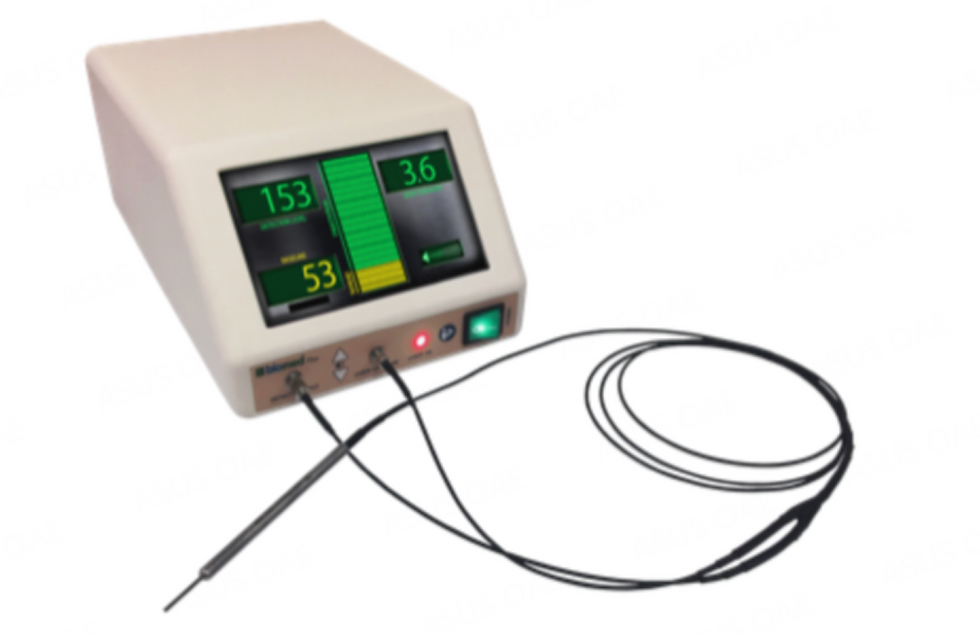
What is the Medtronic PTeye system and how does it work?
The Medtronic PTeye system is a handheld device designed to help surgeons identify parathyroid tissue during surgery. It uses near-infrared autofluorescence technology to detect the natural fluorescence emitted by parathyroid glands when exposed to a specific light wavelength. This fluorescence is unique to parathyroid tissue and helps distinguish it from surrounding tissues such as lymph nodes, fat, or thyroid tissue.
During surgery, the PTeye probe is placed near the suspected tissue. The device then measures the fluorescence intensity and provides real-time feedback to the surgeon. This helps confirm whether the tissue is parathyroid or not. The system is easy to use and does not require any injection of dyes or contrast agents, making it safe and convenient.
The PTeye system is particularly useful in cases where parathyroid glands are difficult to identify visually. This can happen in patients with previous neck surgery, ectopic glands, or when the glands are small or obscured by other tissues. By improving identification, the system can reduce the risk of accidental removal of normal glands or missing abnormal ones.
Indications for using the PTeye system in parathyroid surgery
The PTeye system is indicated for use in patients undergoing parathyroid surgery, especially in the following situations:
Total thyroidectomy when preserving parathyroids
Primary hyperparathyroidism with a known adenoma or hyperplasia
Reoperative parathyroid surgery where scar tissue makes identification difficult
Cases with ectopic or supernumerary parathyroid glands
When visual identification of glands is uncertain or challenging
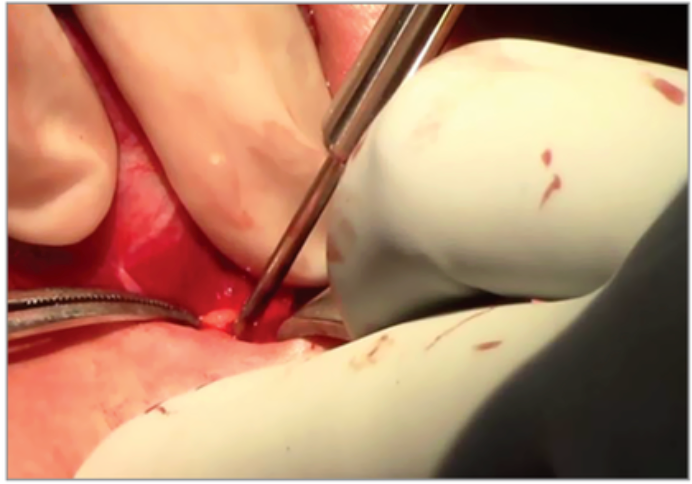
In the case I performed, the patient had a confirmed inferior parathyroid adenoma on one side. Using the PTeye system, I was able to identify the normal parathyroid gland on the same side with confidence. This helped preserve the healthy gland and avoid unnecessary dissection.
Combining PTeye with rapid ioPTH analysis to improve surgical decisions
In addition to the PTeye system, I used rapid intraoperative parathyroid hormone (ioPTH) analysis during the surgery using the NBCL CONNECT (Abacus dx). This test measures the level of parathyroid hormone in the blood before and after gland removal. A significant drop in hormone levels indicates successful removal of the hyperfunctioning gland. I have now been using ioPTH for several months with excellent results.
By combining PTeye identification with rapid ioPTH results, I was able to confirm that the abnormal gland was removed and that the remaining glands were functioning normally. This allowed me to avoid exploring the contralateral side, reducing operative time and potential complications.
This approach aligns with best practices in parathyroid surgery, where accurate gland identification and confirmation of cure during surgery improve patient outcomes.
Benefits of using the PTeye system in parathyroid surgery
Using the PTeye system offers several advantages:
Improved accuracy in identifying parathyroid glands
Reduced risk of damaging or removing normal glands
Shorter surgery time by avoiding unnecessary exploration
Better patient outcomes with fewer complications and quicker recovery
No need for dyes or contrast agents, making it safe and simple
In my experience, the system was especially useful in confirming the normal gland on the same side as the adenoma. This gave me confidence to limit the surgery to one side, supported by the rapid ioPTH results.
What patients should know about parathyroid surgery with PTeye technology
Patients undergoing parathyroid surgery for conditions like primary hyperparathyroidism can benefit from advanced technologies such as the PTeye system. These tools help surgeons perform more precise operations, which can lead to:
Higher success rates in curing hyperparathyroidism
Lower risk of complications such as hypocalcaemia (low calcium) in total or completion thyroidectomy
Less invasive surgery with smaller incisions and faster healing
If you are considering parathyroid surgery, it is reasonable to ask your surgeon about the use of technologies like the PTeye system and rapid ioPTH analysis. These methods represent the latest advances in specialised head and neck surgery.
Summary
The Medtronic PTeye system is a valuable tool for parathyroid gland identification during surgery. I used it for the first time last week in a case of primary hyperparathyroidism with a known inferior parathyroid adenoma. The system helped me identify the normal gland on the same side, which I combined with rapid ioPTH analysis to confirm successful removal and avoid exploring the other side.
This technology improves the accuracy and safety of parathyroid surgery. It supports better outcomes for patients by reducing complications and operative time. For those needing specialised parathyroid or head and neck surgery in Auckland, access to such advanced tools is an important consideration.
If you want to learn more about parathyroid surgery options or discuss your case, please contact my clinic. I am committed to providing highly specialised care using the best available technology to achieve the best results for my patients.
Disclaimer: This post is for informational purposes only and does not replace professional medical advice. Please consult your surgeon or healthcare provider for personalised recommendations.


Comments