

Complex Head and Neck Surgeries: A Detailed Overview

Updated: Sep 12
Overview of the Surgical Procedures
The operating session on 22 April 2026 involved multiple intricate surgical procedures. Each case required a tailored approach to ensure optimal outcomes. The complexity of these surgeries stems from the delicate anatomy of the head and neck region, where vital structures are closely interwoven.
Thyroid Lobectomies and Total Thyroidectomy
Two thyroid lobectomies were performed during this session. A thyroid lobectomy involves removing one lobe of the thyroid gland. These procedures were indicated for patients with toxic and compressive nodules. This approach allows for the preservation of thyroid function in many cases.
In addition, a total thyroidectomy was carried out. This procedure involved removing the entire thyroid gland due to thyrotoxic Graves' disease. Total thyroidectomy requires careful surgical technique to avoid damage to the recurrent laryngeal nerve and parathyroid glands, which are critical for voice and calcium regulation, respectively.
Partial Glossectomy and Neck Dissection
A partial glossectomy was performed to remove a portion of the tongue affected by cancer. This procedure aims to excise the tumour while preserving as much tongue function as possible. The surgery was combined with a neck dissection, which involves removing lymph nodes and surrounding tissue in the neck to manage or prevent the spread of cancer.
Neck Dissection and Ligation of Neck Vessels in Preparation for TORS
The final case involved a neck dissection with ligation of neck vessels. This procedure was done in preparation for transoral robotic surgery (TORS), a minimally invasive technique used to remove tumours from the throat and mouth. Ligation of vessels helps reduce bleeding risk during the upcoming robotic surgery and facilitates safer tumour removal.
Importance of Complex Head and Neck Surgeries
These six cases highlight the complexity of head and neck surgery. The anatomy in this region is intricate, with vital nerves, blood vessels, and organs closely packed. Surgical precision is essential to remove disease while preserving functions such as speech, swallowing, and breathing.
The combination of thyroid surgeries, glossectomy, and neck dissections in one session requires extensive planning and expertise. It also demonstrates the multidisciplinary approach needed, involving surgeons, anaesthetists, pathologists, and nursing staff.
Supporting Surgical Care with Advanced Products and Services
Managing complex head and neck surgeries benefits from specialised products and services designed to improve outcomes and patient safety. For example, the use of advanced surgical instruments and devices can enhance precision and reduce complications.
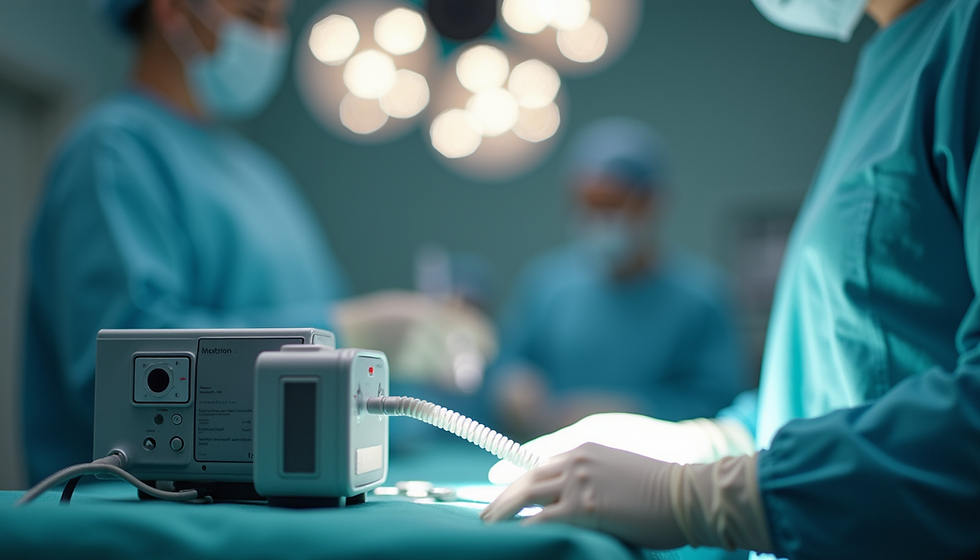
The advanced products Dr Chaplin regularly employs in complex head and neck surgery include intraoperative nerve monitoring using Xomed NIM tubes and bipolar stimulating probes. These tools provide electrical information as well as anatomical guidance when dissecting laryngeal and facial nerves in thyroid and parotid gland surgery. Harmonic scalpels (Ethicon Focus+) are used as vessel-sealing instruments to improve haemostasis. Additionally, intraoperative PTH monitoring (NBCL Connect) assists in determining successful adenoma removal in parathyroid surgery and preserving PTH information during total thyroidectomy.
These products and services support the surgical team in delivering high-quality care and achieving the best possible outcomes for patients undergoing complex head and neck surgeries.

Preparing Patients for Complex Head and Neck Surgery
Preparation for these surgeries involves thorough assessment and planning. Patients undergo imaging studies such as ultrasound, CT, PET CT, or MRI scans to evaluate the extent of disease. Blood tests and other investigations assess overall health and suitability for surgery.
Preoperative counselling is essential to explain the procedures, potential risks, and expected recovery. Patients are informed about the importance of follow-up care, including possible thyroid hormone replacement after thyroidectomy or rehabilitation for speech and swallowing after glossectomy.
Postoperative Care and Recovery
After surgery, patients require close monitoring for complications such as bleeding, infection, or nerve injury. Pain management and wound care are priorities. For total thyroidectomy patients, calcium levels are monitored to detect any parathyroid gland issues.
Rehabilitation may include speech therapy and dietary adjustments, especially after partial glossectomy and neck dissection. The goal is to restore function and quality of life as much as possible.
The Role of Transoral Robotic Surgery (TORS) in Head and Neck Cancer
TORS is an emerging technique that allows surgeons to remove tumours through the mouth using robotic instruments. It offers benefits such as smaller incisions, less pain, and faster recovery compared to traditional open surgery.
The neck dissection and vessel ligation performed during this session were preparatory steps for TORS. This approach reflects the integration of new technology with established surgical methods to improve patient outcomes.

Conclusion
The operating session on 22 April 2026 involved six complex head and neck surgeries, including thyroid lobectomies, total thyroidectomy, partial glossectomy with neck dissection, and neck dissection with vessel ligation for TORS preparation. These procedures require detailed planning, surgical skill, and multidisciplinary care.
Patients undergoing these surgeries benefit from thorough preparation and postoperative care to ensure the best recovery and quality of life. The integration of new techniques like TORS demonstrates ongoing progress in head and neck surgical care.
For those facing complex head and neck conditions, specialised surgical care is essential. The combination of experience, technology, and comprehensive support offers the best chance for successful treatment and recovery.
In summary, the commitment to excellence in head and neck surgery is paramount. The goal is to provide patients with the highest level of care, ensuring that they receive the best possible outcomes from their surgical interventions.
Frequently Asked Questions
What types of procedures are included in complex head and neck surgery?
Complex head and neck surgery can include thyroidectomy, thyroid lobectomy, neck dissection, partial glossectomy, and procedures performed in preparation for transoral robotic surgery (TORS).
Why is complex head and neck surgery challenging?
The head and neck contain many important nerves, blood vessels, and organs within a small area. Surgery requires precision to treat the underlying condition while preserving functions such as speech, swallowing, breathing, and voice.
How is complex head and neck surgery planned?
Planning may involve ultrasound, CT, PET CT or MRI scans, blood tests and a detailed clinical assessment. The surgical team also considers the patient's condition, overall health and the goals of treatment.
What is a neck dissection in head and neck surgery?
A neck dissection removes lymph nodes and surrounding tissue from the neck to treat or reduce the risk of cancer spreading. It may be performed alongside procedures such as partial glossectomy.
What is TORS in head and neck surgery?
Transoral robotic surgery (TORS) uses robotic instruments inserted through the mouth to remove certain tumours of the throat and mouth. It can provide a minimally invasive approach without a large external incision.
What advanced techniques may be used during complex head and neck surgery?
Techniques may include intraoperative nerve monitoring, vessel-sealing instruments and intraoperative PTH monitoring. These technologies can assist surgeons in identifying important structures and monitoring specific surgical outcomes.

Comments