

Parathyroid Surgery in New Zealand: Exploring Hyperparathyroidism Surgery Options

Updated: Sep 10
Hyperparathyroidism is a condition characterised by the overproduction of parathyroid hormone (PTH) by the parathyroid glands. This hormone regulates calcium levels in the blood, and its excess can lead to various health complications, including weakened bones, kidney stones, and neurological symptoms. Surgical intervention is often the definitive treatment for hyperparathyroidism, especially when symptoms are severe or complications arise. In New Zealand, patients have access to specialised surgical options tailored to their needs. This article provides a comprehensive overview of parathyroid surgery in New Zealand, focusing on the available procedures, recovery expectations, and factors influencing treatment choices.
Understanding Parathyroid Surgery in New Zealand
Parathyroid surgery in New Zealand is performed by experienced head and neck surgeons who specialise in endocrine disorders. The primary goal of surgery is to remove the overactive parathyroid gland(s) while preserving normal gland function. The surgical approach depends on the type of hyperparathyroidism, the number of glands involved, and the patient’s overall health.
There are two main types of Hyperparathyroidism:
Primary hyperparathyroidism: Caused by a benign tumour (adenoma) or hyperplasia of the parathyroid glands.
Secondary hyperparathyroidism: Often related to chronic kidney disease, leading to gland enlargement and excess hormone production.
In New Zealand, the most common surgical procedure for primary hyperparathyroidism is a minimally invasive parathyroidectomy. This technique involves a small incision and targeted removal of the affected gland, resulting in less pain and faster recovery compared to traditional surgery.

Surgeons in New Zealand utilise advanced imaging techniques such as ultrasound, sestamibi scans, and 4D CT scans to accurately locate abnormal glands before surgery. This preoperative localisation improves surgical precision and reduces operative time.
Types of Parathyroid Surgery Available
Several surgical options are available for treating hyperparathyroidism in New Zealand. The choice of procedure depends on the individual case and diagnostic findings.
Minimally Invasive Parathyroidectomy (MIP)
MIP is the preferred approach for patients with a single adenoma identified on preoperative imaging. The surgeon makes a small incision, usually 2-3 cm, and removes the abnormal gland. This method offers several advantages:
Reduced scarring
Shorter hospital stay (often same-day discharge)
Lower risk of complications
Faster return to normal activities
Bilateral Neck Exploration
In cases where imaging is inconclusive or multiple glands are suspected to be involved, bilateral neck exploration may be necessary. This traditional approach involves a larger incision and examination of all four parathyroid glands. The surgeon removes the abnormal glands while preserving normal tissue.
Focused Parathyroidectomy with Intraoperative PTH Monitoring
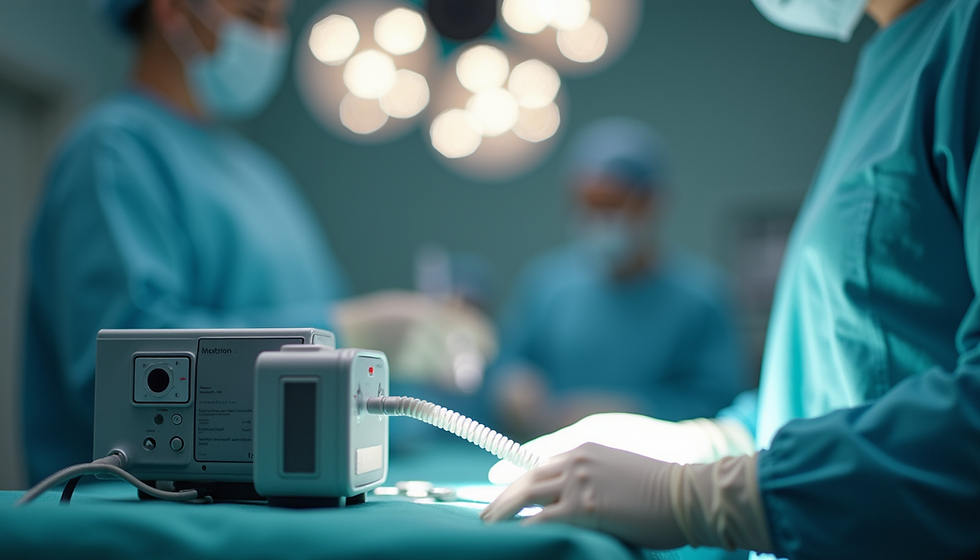
Only 2 centres in New Zealand use intraoperative parathyroid hormone (PTH) monitoring to confirm the successful removal of hyperfunctioning tissue. One of these is Gillies Hospital in Auckland where Dr Chaplin works and the other is in Wellington. PTH levels are measured before and after gland excision. A significant drop in PTH indicates that the surgery has been effective, reducing the need for extensive exploration.
Surgery for Secondary Hyperparathyroidism
Patients with secondary hyperparathyroidism, often due to chronic kidney disease, may require a subtotal parathyroidectomy or total parathyroidectomy with autotransplantation. These procedures involve removing most or all parathyroid tissue to control hormone levels.

How Long Does It Take to Recover from Parathyroid Surgery?
Recovery time after parathyroid surgery varies depending on the surgical approach and individual patient factors. Generally, minimally invasive procedures allow for a quicker recovery compared to traditional bilateral neck exploration.
Immediate Postoperative Period
Patients typically spend a few hours in the recovery room before being discharged home the same day or after an overnight stay. Pain is usually mild and managed effectively with oral analgesics.
First Week After Surgery
Mild neck discomfort and swelling are common.
Patients are advised to avoid strenuous activities and heavy lifting.
Most can resume light daily activities within a few days.
Follow-Up and Long-Term Recovery
A follow-up appointment is scheduled within 1-2 weeks to assess wound healing and calcium levels.
Blood tests monitor calcium and PTH to ensure the surgery’s success.
Most patients return to normal activities within 1-2 weeks.
Rarely, some may experience temporary low calcium levels requiring supplementation.
It is important to follow the surgeon’s postoperative instructions carefully to minimise complications and promote healing.
Factors Influencing Surgical Outcomes in New Zealand
Several factors affect the success and safety of parathyroid surgery in New Zealand. Understanding these can help patients make informed decisions.
Surgeon Expertise
The experience of the surgeon plays a critical role in achieving optimal outcomes. New Zealand’s specialised head and neck surgeons, such as Dr John Chaplin, bring extensive expertise in complex endocrine surgeries, ensuring precise gland removal and minimal complications.
Preoperative Imaging and Diagnosis
Accurate localisation of abnormal glands through advanced imaging techniques improves surgical planning and reduces operative time. Centres in New Zealand employ state-of-the-art diagnostic tools to enhance surgical precision.
Patient Health and Comorbidities
Patients with other medical conditions may require additional preoperative assessment and optimisation. Chronic kidney disease, cardiovascular issues, and other factors can influence surgical risk and recovery.
Access to Multidisciplinary Care
Comprehensive care involving endocrinologists, surgeons, radiologists, and anaesthetists contributes to better patient outcomes. New Zealand’s healthcare system supports multidisciplinary collaboration for complex cases.
Navigating Hyperparathyroidism Surgery in New Zealand
Patients considering parathyroid surgery in New Zealand should seek consultation with a specialised surgeon to discuss their individual case. The consultation typically includes:
Detailed medical history and physical examination
Review of blood tests and imaging studies
Discussion of surgical options, risks, and benefits
Planning for surgery and postoperative care
Choosing a surgeon with a strong track record in parathyroid surgery is essential. The surgeon’s ability to tailor the approach to the patient’s specific condition can significantly impact the success of the procedure.
For those researching treatment options, it is helpful to explore resources and patient testimonials related to parathyroid surgery to gain insight into the local surgical landscape.
Conclusion
Parathyroid surgery in New Zealand offers patients access to specialised, effective treatment for hyperparathyroidism. With experienced surgeons, advanced diagnostic tools, and a patient-centred approach, individuals can expect high-quality care tailored to their needs. Understanding the surgical options, recovery process, and factors influencing outcomes empowers patients to make informed decisions and achieve the best possible health results.
Frequently Asked Questions
Will parathyroid surgery leave a scar?
Yes, parathyroid surgery generally leaves a small scar on the lower part of the neck. With minimally invasive parathyroidectomy, the incision may be around 2–3 cm. Over time, the scar usually becomes less noticeable as it heals, although its appearance varies from person to person.
What happens during a parathyroid surgery procedure?
During a parathyroid surgery procedure, the surgeon identifies and removes the overactive parathyroid gland or glands while preserving healthy parathyroid tissue when possible.
Is parathyroid surgery available through the NHS?
Parathyroid surgery is available through the NHS in New Zealand healthcare systems that have different referral pathways, eligibility requirements, waiting times, and treatment arrangements. Patients should consult the relevant healthcare system or specialist for current information.
Can I watch a parathyroid surgery video to understand the procedure?
Parathyroid surgery videos can provide a visual explanation of the procedure, including how an abnormal gland is located and removed. A specialist consultation is the best way to understand how the procedure would apply to your individual condition.
What tests are needed before parathyroid surgery?
Before parathyroid surgery, patients typically undergo blood tests to measure calcium and PTH levels. Imaging such as a neck ultrasound, sestamibi scan, or 4D CT may also be used to help identify the abnormal parathyroid gland and plan the most appropriate surgical approach.
What are the risks of parathyroid surgery?
Parathyroid surgery is generally considered safe when performed by an experienced specialist, but potential risks include bleeding, infection, and temporary or permanent low calcium levels.

Comments