

Finding a Head and Neck Specialist Auckland

Updated: Sep 12
When seeking specialised surgical care for conditions affecting the thyroid, parathyroid, sinuses, or other head and neck regions, it is essential to find a qualified and experienced surgeon. Auckland offers several options, but selecting the right professional can significantly impact treatment outcomes. This article provides a detailed guide on how to find a head and neck specialist Auckland residents can trust for complex surgical needs.
Understanding the Role of a Head and Neck Specialist Auckland
A head and neck specialist focuses on diagnosing and treating diseases, disorders, and injuries in the head and neck region. This includes the thyroid and parathyroid glands, sinuses, throat, and facial structures. These surgeons often perform procedures such as thyroidectomy, parathyroidectomy, sinus surgery, septoplasty, and rhinoplasty for both functional and cosmetic reasons.
Choosing a surgeon with specialised training in these areas is crucial. Their expertise ensures that patients receive comprehensive care tailored to their specific condition. For example, a surgeon experienced in thyroid surgery will understand the nuances of preserving nerve function and minimizing complications.
Patients should look for surgeons who have completed advanced fellowships in head and neck surgery and who maintain active involvement in professional organisations. This commitment to ongoing education reflects a dedication to the latest surgical techniques and patient safety standards.
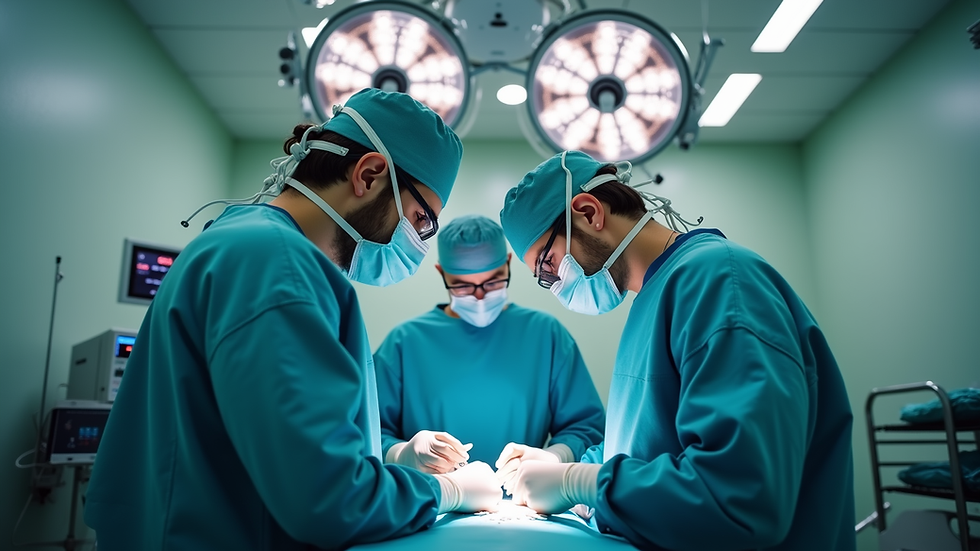
Key Factors to Consider When Selecting a Head and Neck Specialist Auckland
Several important factors should guide the selection process:
Qualifications and Credentials: Verify the surgeon’s medical qualifications, board certifications, and specialised training in head and neck surgery.
Experience: Consider the number of years the surgeon has practised and the volume of specific procedures performed.
Reputation: Seek recommendations from other healthcare professionals or read patient reviews to gauge satisfaction and outcomes.
Hospital Affiliations: Surgeons affiliated with reputable hospitals often have access to better resources and multidisciplinary teams.
Communication: The surgeon should be approachable and willing to explain treatment options clearly, allowing patients to make informed decisions.
Location and Accessibility: Proximity to the patient’s home or workplace can be important for follow-up visits and recovery.
For example, a patient requiring sinus surgery might prioritise a surgeon known for minimally invasive techniques that reduce recovery time. Another patient needing a complex thyroidectomy may focus on a surgeon with extensive experience in cancer-related cases.
The Consultation Process: What to Expect
The initial consultation is a critical step in establishing trust and understanding the treatment plan. During this appointment, the surgeon will:
Review the patient’s medical history and symptoms.
Conduct a physical examination of the head and neck area.
Order or review diagnostic tests such as ultrasounds, CT scans, or biopsies.
Discuss the diagnosis and explain the recommended surgical options.
Outline the risks, benefits, and expected outcomes of the procedure.
Answer any questions the patient may have.
It is advisable for patients to prepare a list of questions beforehand. Topics might include the surgeon’s experience with the specific procedure, recovery time, potential complications, and alternatives to surgery.
Patients should also assess the surgeon’s communication style and willingness to provide detailed information. A clear and honest dialogue helps build confidence in the chosen specialist.

Accessing Specialist Care in Auckland
Auckland has several facilities equipped to provide advanced head and neck surgical care. Patients can access these services through referrals from general practitioners or specialists such as endocrinologists or ENT (ear, nose, and throat) doctors.
Public hospitals offer comprehensive care, but waiting times may vary. Private clinics often provide faster access and more personalised service, though costs can be higher. It is important to verify whether the surgeon accepts the patient’s health insurance or offers payment plans.
For those seeking the highest level of expertise, consulting a head and neck surgeon auckland with a strong reputation for complex cases is advisable. Such specialists often collaborate with multidisciplinary teams, including oncologists, radiologists, and speech therapists, to ensure holistic care.
Preparing for Surgery and Postoperative Care
Preparation for head and neck surgery involves several steps to optimise outcomes:
Preoperative Assessment: This may include blood tests, imaging, and consultations with anaesthetists.
Medication Management: Patients should inform the surgeon about all medications and supplements they are taking.
Lifestyle Adjustments: Smoking cessation and nutritional optimisation can improve healing.
Planning for Recovery: Arranging for support at home and understanding postoperative restrictions is essential.
After surgery, follow-up care is critical. This includes wound care, monitoring for complications, and rehabilitation if necessary. For example, patients undergoing rhinoplasty may require nasal splints and follow-up visits to ensure proper healing.
Surgeons typically provide detailed postoperative instructions and schedule regular check-ups to track progress. Adhering to these guidelines helps minimise risks and promotes a smooth recovery.
Final Thoughts on Choosing the Right Specialist
Selecting a head and neck specialist Auckland patients can rely on requires careful consideration of qualifications, experience, and communication. By researching options, attending thorough consultations, and preparing adequately for surgery, patients can improve their chances of successful treatment.
Dr John Chaplin exemplifies the qualities sought in a top-tier specialist. His extensive experience and commitment to specialised care make him a leading choice for complex head and neck surgical needs in Auckland and New Zealand.
Patients are encouraged to prioritise their health by seeking expert advice and making informed decisions about their surgical care.
Frequently Asked Questions
What does a head and neck specialist in Auckland treat?
A head and neck specialist treats conditions affecting the thyroid, parathyroid glands, sinuses, throat and other structures of the head and neck. Procedures may include thyroidectomy, parathyroidectomy and sinus surgery.
How do I choose a head and neck specialist in Auckland?
Consider the surgeon’s qualifications, specialised training, experience with your specific procedure, hospital affiliations, communication style and access to appropriate multidisciplinary care.
What happens during a consultation with a head and neck specialist?
The specialist reviews your medical history and symptoms, examines the head and neck, reviews or orders diagnostic tests, and discusses the diagnosis, treatment options, risks and expected outcomes.
How should I prepare for head and neck surgery?
Preparation may include blood tests, imaging, an anaesthetic assessment and reviewing medications. Patients may also need to make lifestyle adjustments and arrange support for their recovery.
What should I expect after head and neck surgery?
Recovery depends on the procedure. Follow-up may include wound care, monitoring for complications, rehabilitation and regular appointments to assess healing and treatment outcomes.

Comments